Comparing Natural Latex Mattresses: Health, Comfort, and Sustainability
A practical guide to choosing a natural latex mattress, comparing key features such as material sourcing, firmness options, and long-term durability. Learn how latex compares to other materials in supporting spinal alignment and breathability.
In the sea of mattress choices, natural latex stands out as a standout for sleepers seeking a blend of support, responsiveness, and ecological responsibility. For decades, brands from Savvy Rest to Naturepedic and Sleep and Beyond have offered latex-based options that promise a sleep experience rooted in comfort and sustainability. This article dives into the essentials of natural latex mattresses, why Dunlop and Talalay processing matter, and how to pick a configuration that aligns with your sleeping position, body weight, and budget. We’ll also spotlight how these brands approach certification, materials, and long-term care—elements that matter when you’re investing in a bed that could shape your sleep for years to come.
1) Brand-focused overview: How natural latex is approached by leading makers
Natural latex mattresses come in several configurations, but three brands repeatedly surface when discussing healthful sleeping systems: Naturepedic, Savvy Rest, and Sleep and Beyond. Each brand has carved a distinct path through the world of organic materials, certifications, and construction details that influence comfort, temperature regulation, and durability.
Naturepedic emphasizes organic certification and non-toxic materials across its product lines. Their latex offerings often highlight GOTS-certified organic cotton casings and latex that is sourced from carefully vetted suppliers. This approach resonates with sleepers who want a transparent chain of custody for materials and a focus on chemical-free sleep environments.
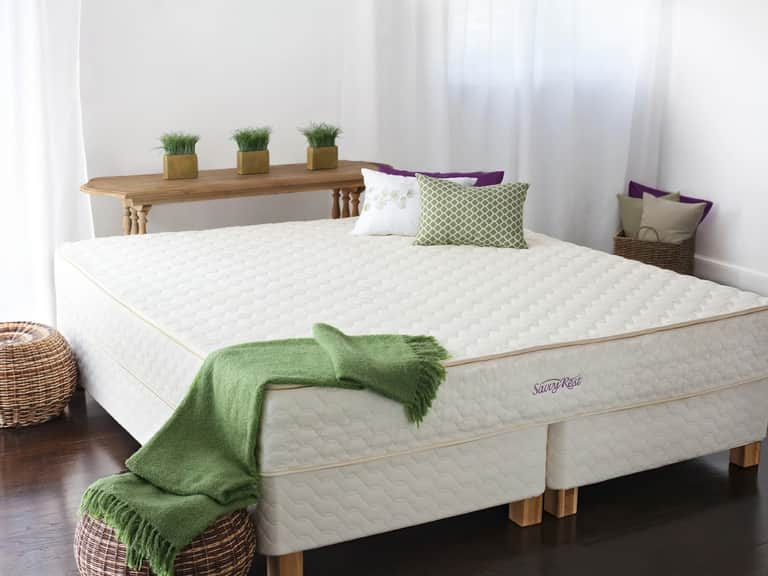
Savvy Rest is well known for its Serenity Latex Mattress, a highly customizable model that lets sleepers tailor the firmness profile by layering soft, medium, or firm Dunlop or Talalay latex. The brand pairs latex with an organic cotton casing and wool quilting, aiming to balance contouring support with temperature regulation. The Zippered outer casing system and the option to exchange layers make Savvy Rest a particularly adaptable choice for couples or shifting sleep preferences over time.
Sleep and Beyond offers latex-based mattresses and a broad suite of bedding products that emphasize natural materials and sustainability. Their lineup often includes a combination of organic cotton covers and latex layers that can be configured to address back, side, or stomach sleeping needs while keeping a keen eye on eco-friendly manufacturing processes.
Across these brands, the unifying thread is a commitment to non-toxic, natural materials and clarity about sourcing. Certifications like Global Organic Latex Standard (GOLS) and GOTS (Global Organic Textile Standard) are not just labels—they are assurances about farming practices, processing methods, and the absence of harmful chemicals. When you see these marks, you’re looking at a mattress that aligns with a broader ethos of health and environmental stewardship. If you’re prioritizing a clean sleep environment, these certifications matter as part of a holistic approach to bedding.
2) Core material differences: Dunlop vs. Talalay processing
Latex can be processed in two primary ways: Dunlop and Talalay. Each method shapes the feel, contouring, and temperature characteristics of the mattress, which in turn influence comfort across different sleep positions and temperatures.
- Dunlop latex: This traditional process yields a denser, more straightforward feel. The latex is poured into a mold and allowed to cure, resulting in a solid block with a natural variation in firmness through the component layers. Dunlop tends to be slightly crisper at the top and firmer overall, which can be advantageous for side sleepers needing stable shoulder and hip support or back sleepers seeking a predictable, supportive base.
- Talalay latex: The manufacturing steps are more intricate, involving vacuum-sealing, flash-freezing, and a multi-stage curing process. The result is a lighter, more uniform, and often more buoyant feel. Talalay latex is praised for its consistent zoning of firmness and its excellent pressure relief. It can contribute to a cooler night’s sleep because the open, airy cell structure can improve airflow in certain configurations.
When choosing between Dunlop and Talalay, consider your priorities: if you want a robust, durable core with reliable support, Dunlop might suit you well. If you seek a softer, more buoyant surface with precise zoning for pressure relief, Talalay could be the better match. The best path is often to try a layered configuration that blends both materials or to opt for a brand that offers customizable layer options so you can dial in your preferred balance of contour and support.
3) Practical decision guide: Matching latex density, layering, and firmness with your sleep profile
Density and firmness are among the most consequential variables in latex mattresses. Density refers to the mass per unit volume of latex, typically measured in pounds per cubic foot (PCF). Higher density commonly translates to greater durability and support, while lower density tends to offer more immediate contouring and a softer initial feel. The interplay between layer composition, density, and the overall thickness defines how the mattress responds to your body across the night.
Here’s a practical framework to guide your choices:
- Sleep position: Side sleepers often benefit from a slightly softer top layer to cushion shoulders and hips, with a firmer base to maintain spinal alignment. Back sleepers may prefer a balanced medium feel that supports the lumbar region without sagging. Stomach sleepers typically require more support to prevent the hips from sinking, so a firmer overall profile can be advantageous.
- Body weight: Lighter sleepers can tolerate softer latex configurations that allow for pressure relief, while heavier sleepers may need higher-density latex to avoid premature compression and sagging. Layered approaches that combine soft and firm materials can address a range of weights within a single bed share.
- Budget and longevity: Latex is a premium material, with higher upfront costs often reflecting longer expected lifespan. A well-constructed latex mattress with appropriate support layers tends to resist sagging and maintain shape, which pays off over time in the form of fewer mid-life replacements.
- Certifications and health: Look for GOLS certification for latex and GOTS for fabric covers if you’re prioritizing an organic sleep system. These verifications mitigate concerns about chemical exposure and ecological impact.
Care and maintenance are equally important for long-term performance. Rotating the mattress regularly, protecting it with appropriate encasements, and following the manufacturer’s care guidelines for latex (often spot cleaning and avoiding prolonged exposure to moisture) help maintain contour and resilience. Some brands offer modular, layer-cake configurations—especially appealing for couples with different firmness preferences. This approach allows you to adjust the top layers as needs evolve, without replacing the entire mattress.
4) Practical decision guide: Budget, care, and long-term performance
Natural latex mattresses present a compelling value proposition when you consider durability, sleep quality, and the ecological footprint of your purchase. The upfront investment is often offset by years of support and comfort, while the health benefits of a non-toxic sleep surface add intangible value to daily life.
Consider the following practical points to streamline your decision:
- Warranty and aftercare: A robust warranty (often 15–20 years for latex mattresses) signals confidence in longevity. Inquire about layer exchanges or configurations if you anticipate changes in support needs over time. Look for brands that offer care instructions that preserve latex’s resilience and prevent premature compression.
- Allergies and sensitivities: For sleepers with sensitivities, certifications such as GOLS and GOTS, as well as the use of natural latex, wool batting, and organic cotton casings, can be meaningful. Ensure that the latex sourcing and processing meet your comfort and health standards.
- Motion isolation and edge support: Latex typically offers good motion isolation due to its buoyant but supportive surface. Edge support varies by construction; layered configurations with denser latex at the perimeter can improve edge resilience, which matters for couples sharing a bed or those who sit on the edge to put on shoes.
- Temperature regulation: Latex’s natural breathability supports a cooler night’s sleep, especially when paired with wool quilting or other breathable materials in the cover. Talalay latex, with its airy cell structure, can further enhance airflow, while certain Dunlop compositions may feel warmer in hotter climates.
Finally, test-driven experiences are invaluable. If you have the chance to try a latex mattress in a showroom or through a generous trial period, create a short testing protocol: evaluate initial sinkage, mid-night temperature feelings, and whether your hips and shoulders align with the spine in various sleeping positions. Your body will tell you what feels right most evenings, and that subjective sense of comfort is a critical compass alongside objective materials data.
5) A closer look at notable products and how they align with latex choices
Within our site’s ecosystem of bedding and mattresses, a few products stand out for their materials integrity and alignment with a natural sleep philosophy. While we highlight a selection of items that fit within a broader sleep system, it’s essential to keep the focus on the mattress core before layering on sheets, toppers, and protectors.
- Savvy Rest Serenity Latex Mattress — A flagship latex mattress featuring customizable layers of soft, medium, or firm Dunlop or Talalay latex. The layered approach allows you to tailor the feel to your preferred balance of contour and support. The outer casing uses organic cotton with wool quilting, contributing to temperature moderation and a natural flame barrier. This configuration supports a wide range of sleepers while accommodating side-by-side firmness preferences through layer customization.
- Naturepedic latex-infused options — Naturepedic emphasizes organic materials and transparency. Their latex offerings often pair GOTS-certified organic cotton covers with latex components sourced under strict organic standards. For sleepers seeking a chemical-free environment, this alignment of latex with organic textiles helps reduce exposure to synthetic additives and supports a holistic wellness approach to the bedroom.
- Sleep and Beyond latex-based products — Sleep and Beyond brings a natural bedding philosophy to the fore, with latex mattresses designed to balance comfort with environmental considerations. The brand’s emphasis on natural fibers and straightforward care makes it a practical option for those who value sustainable, non-toxic sleep systems.
While these brand snapshots offer a sense of direction, the best choice depends on your body geometry, sleep position, and personal comfort preferences. If you’re buying within a specific platform, check whether the product page provides details on layering options, material certifications, and care instructions to guide your decision-making process.
For readers who want to explore a concrete example, consider evaluating a layered latex mattress from Savvy Rest, with a configuration that aligns to your weight and sleeping style. A typical setup might include a firm base layer, a medium middle layer, and a soft top layer to optimize shoulder and hip support for side sleepers while preserving spinal alignment for back sleepers.
Conclusion: Building a sleep system rooted in health and sustainability
Choosing a natural latex mattress is about more than comfort on the first night. It’s about constructing a sleep system that harmonizes with your daily rhythms, supports spinal alignment through the night, and aligns with broader values around health and environmental stewardship. The debate between Dunlop and Talalay, the interplay of density and layering, and the certifications behind each product all feed into a larger narrative: a bed that feels good, supports you across a lifetime, and minimizes exposure to unwanted chemicals.
As you navigate the marketplace, keep a steady focus on the essentials: organic sourcing, transparent certifications, and practical testing of how the mattress responds to your body over time. A thoughtful choice today can translate into better sleep tonight and clearer energy for tomorrow.
Product highlights available on this site
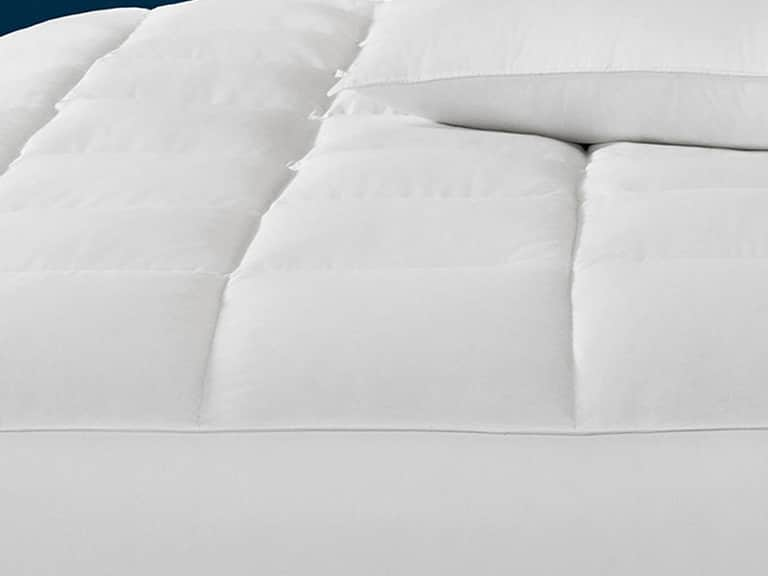
From our curated catalog, we feature items that complement latex-based sleep systems without turning the focus away from the core mattress experience. The Monmouth Mattress Pad by Sferra offers breathable loft with European goose down and a sewn-through box construction, providing an added layer of comfort that pairs well with latex mattresses. This pad’s construction emphasizes stability and warmth distribution without compromising the mattress’s core feel. For readers who want an additional touch of luxury and a gentle uplift to their sleep surface, this sleeper-ready accessory stands as a notable companion piece.
Note: If a product does not align with the article’s central theme of natural latex and non-toxic sleep systems, we omit it from recommendations to maintain coherence with the article’s purpose. The focus remains on latex-driven comfort, organic materials, and sustainable sleep practices.
Product spotlight (for reference): Monmouth Mattress Pad — 570.00 USD. Link: /products/monmouth-mattress-pad-3489
Further reading and resources
To deepen your understanding, consult credible sleep science resources, including peer-reviewed journals and reputable health organizations. Consider exploring topics such as circadian rhythm, sleep stages, and the relationship between sleep quality and overall well-being. For those pursuing organic and sustainable sleep ecosystems, certifications like GOLS and GOTS offer meaningful markers of ethical and environmental standards in mattress materials and textiles.
As always, your personal sleep experience matters most. Use this guide as a framework to compare latex options, then trust your own comfort signals as you try different configurations and providers. A good night’s sleep is worth the thoughtful effort—and the planet may thank you for making choices that emphasize health, longevity, and responsibility.