Latex, as a material in bedding, offers a unique blend of support and breathability that benefits a wide range of sleep preferences. It is derived from natural or synthesized sources and can be produced in varying densities to tailor contouring and resilience. When considering latex pillows, sleepers often evaluate responsiveness, temperature regulation, and antimicrobial properties that contribute to a comfortable sleep environment.
In the realm of pillows and bedding, latex commonly balances pressure relief with stable support, aiding spinal alignment for back and side sleepers. The material’s elasticity allows it to compress under weight and rebound, maintaining shape over time. For organic or natural options, latex may be combined with natural materials to minimize chemical exposure while preserving durability.
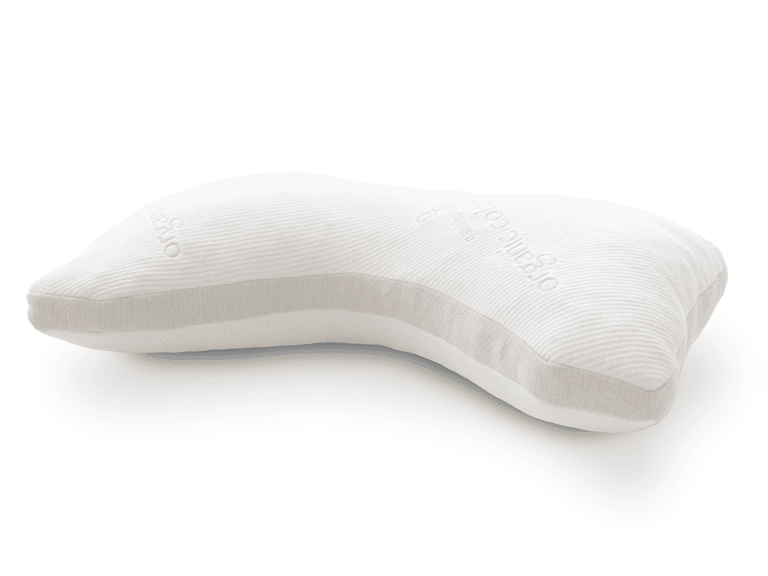
Naturepedic Organic Side Sleeper Pillow represents a specific example of latex-influenced design, prioritizing side-sleeper needs through targeted loft and firmness. Key features typically include a robust core that supports the neck, a breathable outer cover, and hypoallergenic materials that reduce irritants. Functional benefits include improved nighttime alignment and reduced shoulder pressure.
Understanding latex’s role in bedding also involves considering texture and care. Some latex products offer a smooth, buoyant feel with excellent air flow, contributing to cooler sleep. Maintenance considerations may include removable, washable covers and prevention of deformation through proper rotation and support under mattresses and pillows alike.
Within the broader bedding landscape, latex interacts with components such as sheets, duvet covers, and organic mattresses to create a cohesive sleep system. Associated meta keywords—bedding, pillows, sheets, duvet covers, organic mattresses—reflect the interconnectedness of materials, comfort, and health-focused sleep choices for informed consumers seeking ergonomic, long-lasting sleep solutions.
 Bedding